Core Industrial
Raleigh Industrial Real Estate Starts HERE: Search. Tour. Own.
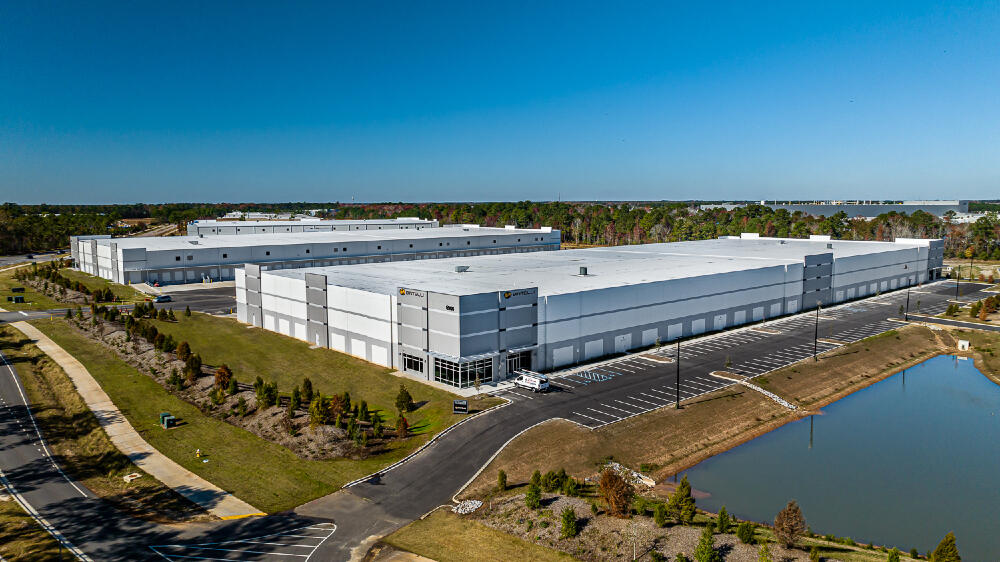
Focusing on commercial real estate, manufacturing, industrial land, office, warehouse, business park, and distribution properties in Raleigh, North Carolina, and the surrounding areas.
Who we are: We pride ourselves on our industry relationships and the use of technology to find commercial real estate opportunities in and around the Raleigh, NC area. Investors choose to work with us because we have a proven track record of facilitating even the most complex real estate situations. We are your go to source for North Carolina industrial real estate.
Contact Us:
CoreIndustrialCRE@gmail.com
919-807-1728
What is my property worth?!
We'll provide a free property evaluation for you. We just need a few details.
⬇️Complete form below.⬇️
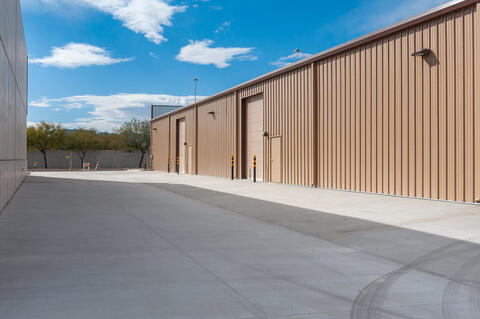
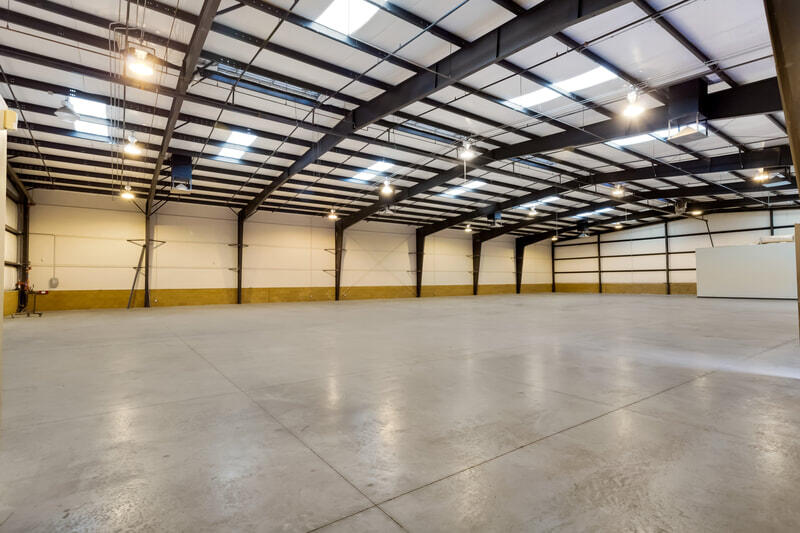
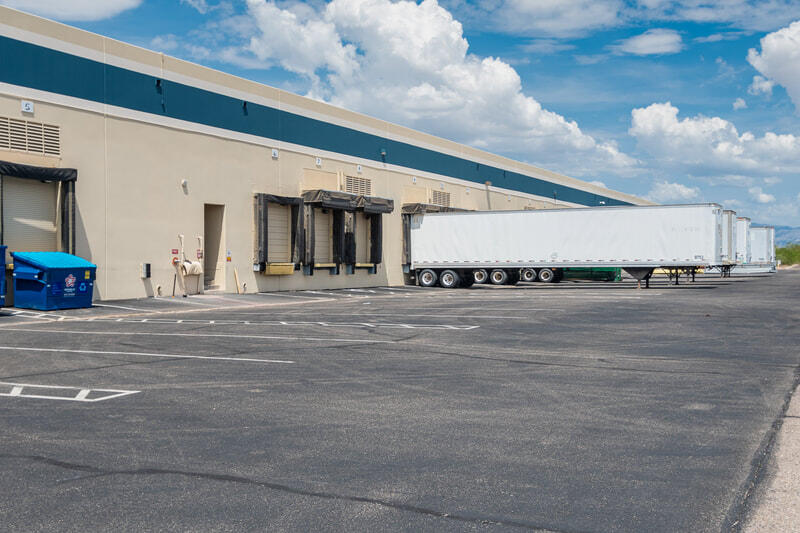
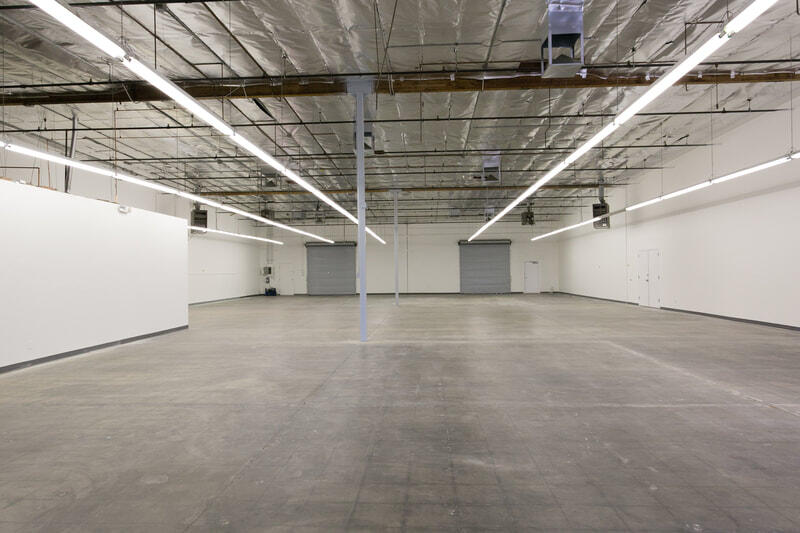
Manufacturing
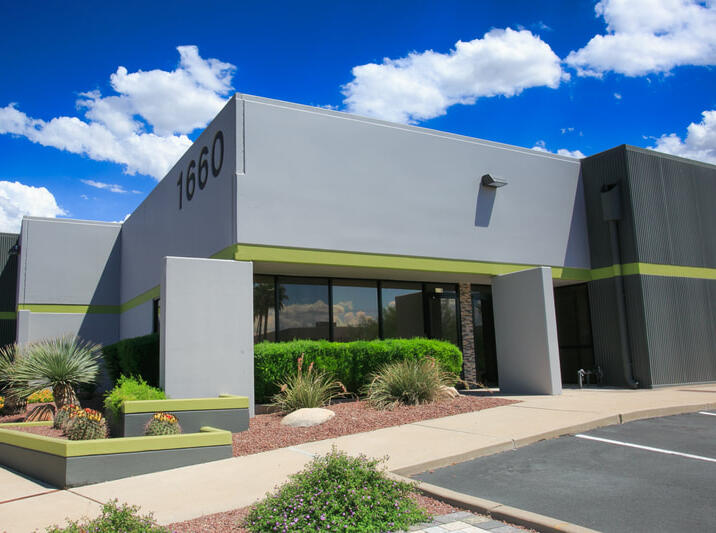
Warehousing
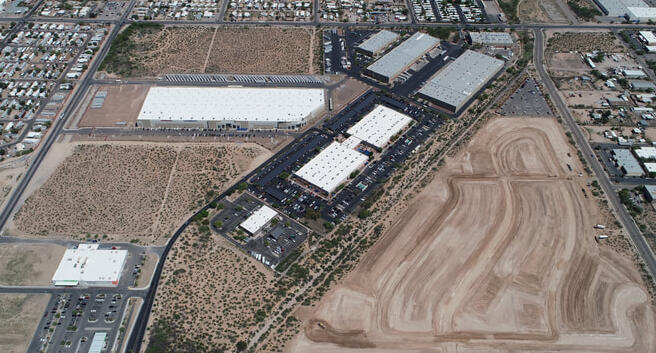
Distribution
Let's connect. We're quick to respond.
Core Industrial
✅
✅
✅
Key Industrial Real Estate Insights for Raleigh and Durham NC
Since overall leasing activity in Raleigh-Durham hit 1.0 msf in early 2022, the industrial market has become even more competitive. The overall vacancy rate has increased to 3.1% as a result of increased construction activity, a high demand for industrial space, and slow construction deliveries. While lease term escalations and building expenses also continue to rise, the average asking rent hit a record high.
Inventory - In the long run, a functioning pipeline is anticipated to ease the shortage of availability. In Raleigh-Durham, 8.5 msf of industrial space is currently being developed, with 32% of the space already pre-leased.
Net Absorption - Raleigh-Durham continues to experience robust demand that is currently outpacing new deliveries. In the last twelve months, net absorption reached 3.4 msf and total leasing activity reached 1.0 msf in the second quarter of 2022.Average Asking Rent - Asking rents increased by 19.5% year-over-year, bringing the overall average asking rate to a record high of $9.03 psf. Average asking rents in flex product increased by 11% year-over-year.
Vacancy - High tenant demand and lack of available existing space brought total vacancy to 3.1% in the second quarter, as occupiers act swiftly to expand their footprint in the market and construction levels remain elevated.
Investment Sales - Strong investor sentiment continued in industrial assets in Raleigh-Durham, translating to an average valuation of $156 psf in the second quarter, up 15% year-over-year. Despite rising interest rates, institutional and private investors will continue to pursue opportunities in industrial product in the Triangle.
Search for manufacturing business real estateThe following are a few considerations to make when looking for a new property for your manufacturing business:Determine the amount of power your machines require.
-Identify the power that already exists in the properties you are considering.
-Determine the costs associated with transferring your firm. Speak to an electrician.Determine the kind of loading you'll require. Do you require grade alone or dock and grade?Location: Choose the side of town that makes the most sense. Do you need to be near your clients, suppliers, employees, Highway 540 or 40?Determine whether your production space needs air conditioning or needs to be evaporatively cooled. Do you need clean rooms for your manufacturing process?Zoning
-Consult with a real estate broker that specializes in industrial real estate to find the appropriate zoning for your manufacturing process.
Life Sciences
Life sciences industrial real estate refers to properties that are used for the research, development, and production of pharmaceuticals, biotechnology, and medical devices. These properties often include laboratory and cleanroom space, as well as manufacturing and storage facilities. The demand for life sciences industrial real estate has grown in recent years due to the increasing focus on biotechnology and personalized medicine. The Raleigh and Research Triangle Park area are well suited for these types of facilities. Due to the specialized nature of these properties, they are often located in close proximity to universities and research institutions. Investing in life sciences industrial real estate can be a sound financial decision due to the strong growth potential in the industry.
Warehouse and Distribution
The trend in warehousing real estate is driven by the growth in e-commerce and the increased demand for fast and efficient supply chain logistics. As a result, there is a growing demand for large, modern warehouses that are equipped with automation and technology to support these new business models. The trend is also pushing for the development of new industrial parks and logistics centers near major population centers and transportation hubs. Another trend is the development of multi-level warehouses and urban logistics centers to optimize land usage in densely populated areas. Lastly, with the sustainability movement on the rise, warehouses are now being built with energy-efficient features and on-site renewable energy sources such as solar panels and wind turbines.
Industrial Land
Industrial land real estate refers to properties that are used for manufacturing, warehousing, and distribution. These properties can be found in both urban and rural areas and can vary greatly in size, from small lots to large industrial parks. The value of industrial land is often determined by its location, zoning, and accessibility to transportation networks such as highways and rail lines. The demand for industrial land can be influenced by factors such as population growth, e-commerce, and changes in supply chain logistics. Industrial land in and around Raleigh is getting tricky to find but with our help we can track down that perfect investment for you. Industrial land can be a valuable asset for investors and developers looking for long-term growth potential, as well as for companies in need of space for their operations.
BLOG
1/16/2026
Raleigh NC industrial real estate market recap for 2025
Warehouses, flex space, and what it means for your next moveThe Raleigh Triangle industrial real estate market in 2025 told a clear story. Growth continued, demand stayed real, and decision making became more disciplined. For companies searching for warehouse or flex space and for investors evaluating opportunities, the year was less about speculation and more about fundamentals.Raleigh remains one of the most resilient industrial markets in the Southeast. Strong population growth, a diversified employment base, and consistent infrastructure investment continue to support long term demand. At the same time, 2025 marked a transition year where new supply arrived, tenants gained leverage, and owners focused more on execution than headline pricing.This recap breaks down what happened across warehouse and flex space in Raleigh and the greater Triangle and what it means if you are buying, leasing, or developing industrial property.The economic forces shaping industrial real estate in RaleighIndustrial real estate in Raleigh does not exist in a vacuum. Several broader forces shaped the market throughout 2025 and influenced nearly every deal.First, businesses became more intentional about how space supports operations. Rather than simply expanding square footage, tenants focused on workflow efficiency, truck circulation, power capacity, and employee access. Buildings that reduced friction in daily operations consistently outperformed those that did not.Second, financing conditions continued to influence pricing and development decisions. Higher borrowing costs pushed developers to prioritize preleased projects and forced buyers to underwrite conservatively. Cap rates adjusted, but Raleigh remained attractive because rent growth and tenant demand fundamentals stayed intact.Third, supply finally caught up with years of demand. New industrial buildings delivered across multiple submarkets, creating more options for tenants and a more competitive environment for landlords. This shift did not signal weakness. It signaled balance.Warehouse space in Raleigh during 2025Warehouse and distribution space remained the backbone of Raleigh industrial real estate in 2025. Demand stayed healthy, but tenants became more selective and deals required sharper alignment between building design and business needs.Vacancy increased in certain pockets due to new deliveries, not because companies stopped expanding. Many of these new facilities were planned years earlier and entered a market that had already absorbed significant growth. As a result, tenants gained more negotiating power, especially for second generation space and speculative developments that were not fully preleased.At the same time, absorption remained positive in key corridors. Large users with long term plans continued to commit to Raleigh because of its access to labor, highways, and regional distribution networks. Preleased facilities played a major role in stabilizing absorption numbers and reinforcing confidence in the market.Asking rents softened slightly in some submarkets during 2025, particularly where multiple comparable buildings competed for the same tenant pool. However, well located Class A warehouse space with strong access and modern specifications continued to command premium pricing.What warehouse tenants prioritized in 2025Warehouse users in Raleigh focused on practical features that directly impact operations.Clear height mattered more than ever, especially for companies optimizing storage density.Dock configuration and truck court depth became critical differentiators.Electrical capacity and reliability influenced decisions for light manufacturing and technology adjacent users.Proximity to major roadways helped reduce delivery times and labor friction.Landlords who addressed these priorities directly were consistently more successful in leasing.Flex space continued to shine in RaleighFlex space played a critical role in the Raleigh industrial market throughout 2025. The Triangle economy produces a steady stream of companies that need a combination of warehouse, office, showroom, and light production space. Flex properties serve this middle ground better than any other asset class.In 2025, flex demand remained steady, especially among growing service firms, product based businesses, life science adjacent users, and local manufacturers. These tenants valued adaptability more than size. They wanted space that could evolve as the business grew.Flex vacancy levels provided opportunity without oversupply. Tenants had choices, but well maintained and upgraded flex buildings still leased efficiently. Owners who invested in lighting, HVAC, dock access, and professional office finishes benefited from faster absorption.Flex also proved resilient because it supports a wide range of uses. In a year where office and warehouse markets adjusted at different speeds, flex remained a stabilizing asset class.Why flex works so well in RaleighRaleigh’s economy supports flex space better than many markets.The region has a high concentration of entrepreneurial companies.Many businesses require light industrial space without full scale distribution needs.Workforce preferences favor buildings that balance functionality and comfort.Zoning and land constraints make existing flex properties increasingly valuable.For tenants, flex space offered flexibility and efficiency. For owners and investors, it offered durability across cycles.Office market trends and their impact on industrial real estateWhile this recap focuses on industrial property, office trends still influenced decision making in 2025.Office vacancy remained elevated across the Triangle, but stabilized by the second half of the year. Tenants continued to favor quality over quantity, choosing well located buildings with strong amenities and parking. This flight to quality reinforced demand for industrial and flex buildings that provide a professional image alongside operational functionality.Many companies that reduced traditional office footprints increased their need for flex or warehouse space to support hybrid operations, storage, and light production. This shift indirectly benefited the industrial market and reinforced Raleigh’s reputation as a business friendly environment.Development activity and new supplyIndustrial development remained active in Raleigh during 2025, but with a noticeable shift in strategy.Developers focused more on preleasing and build to suit opportunities.Speculative projects were underwritten conservatively.Design decisions emphasized flexibility to attract a wider tenant base.New deliveries increased competition in certain submarkets, but they also modernized the overall inventory. Older buildings that did not keep pace with tenant expectations faced longer lease up timelines, while newer assets with thoughtful design performed well.Investment sentiment in Raleigh industrial real estateRaleigh continued to attract investor interest throughout 2025, particularly from groups seeking long term growth rather than short term yield.Investors favored stabilized properties with durable tenant demand.Value add strategies focused on functional improvements rather than cosmetic upgrades.Flex and small bay industrial assets attracted attention due to tenant diversity.Capital was selective, but confident. Raleigh remained a market where fundamentals justified patience and discipline.What 2025 taught the Raleigh industrial marketSeveral clear lessons emerged from 2025.Tenants value efficiency more than ever.Quality and functionality outperform raw square footage.Flex space remains one of the most versatile and resilient asset classes.Execution matters more than aggressive pricing.Raleigh rewards long term thinking.Looking ahead to 2026As the market moves into 2026, Raleigh industrial real estate is positioned for steady, sustainable growth. Supply and demand are more balanced. Tenants are informed. Owners are adapting. Investors remain engaged.For businesses looking to lease or buy warehouse or flex space, this environment creates opportunity. For owners and developers, it reinforces the importance of understanding how real companies operate.If you are evaluating industrial real estate in Raleigh NC, the takeaway from 2025 is simple. The market is healthy, competitive, and driven by fundamentals. The right building in the right location with the right functionality will continue to perform.9 Reasons to move your business to Raleigh. 1/17/2023
Access to a highly educated workforce: Raleigh is home to several universities and colleges, including North Carolina State University, which provides a steady supply of well-trained and skilled workers for businesses.Favorable business climate: North Carolina has a pro-business attitude and offers a variety of incentives for companies to relocate and expand in the state.Strategic location: Raleigh is located in the heart of North Carolina's Research Triangle, which provides easy access to major markets and transportation routes throughout the Southeast.Access to funding and resources: Raleigh is home to a number of venture capital firms and business incubators that provide funding and resources for startups and small businesses.Growing economy: Raleigh's economy is diversified and has been consistently growing at a steady rate, which provides stability and opportunity for businesses.Low cost of living: The cost of living in Raleigh is relatively low compared to other major cities, which can help businesses save on expenses.Quality of life: Raleigh is known for its high quality of life, with a variety of outdoor activities, cultural events and a affordable housing.Networking opportunities: Raleigh has a strong business community, which provides networking opportunities for businesses to connect with potential customers, partners, and investors.Strong support from the city: The city of Raleigh has a business-friendly attitude and provides a variety of resources and support for businesses looking to relocate or expand in the area.Here are a few industrial real estate trends that have been observed in the Southeast region of the United States: - 11/22/2022Growing demand: The Southeast region has seen a growing demand for industrial real estate in recent years, driven by factors such as population growth, e-commerce, and the expansion of logistics and supply chain networks.Logistics hubs: Cities such as Atlanta, Charlotte, and Jacksonville have become major logistics hubs in the Southeast, with a growing number of warehouses and distribution centers being built in these areas.Port-proximity: Cities such as Savannah and Charleston have seen increased demand for industrial real estate due to their proximity to major ports, which allows for easy access to global markets.Low vacancy rates: The Southeast region has seen low vacancy rates for industrial real estate, as demand for industrial space outstrips supply, which can drive up rental rates.Sustainability: As more businesses focus on sustainability, industrial real estate developers are incorporating green features into their buildings, such as energy-efficient systems, solar panels, and rainwater harvesting systems.Adaptive reuse: With the shortage of land and the high cost of new development, many industrial real estate developers are turning to adaptive reuse, converting older buildings into modern industrial spaces.Urbanization: With the increasing urbanization in the southeast, there is a trend towards the development of urban logistics centers which will provide easy access to population centers and transportation infrastructure.
Core Industrial
Contact Us:
CoreIndustrialCRE@gmail.com
919-807-1728